Regular blood tests can provide valuable information about your health, even when you feel perfectly well. They help healthcare professionals monitor important functions in the body, identify possible concerns, and track changes over time. Here are five common blood tests and what they can tell you.
1. Complete Blood Count (CBC)
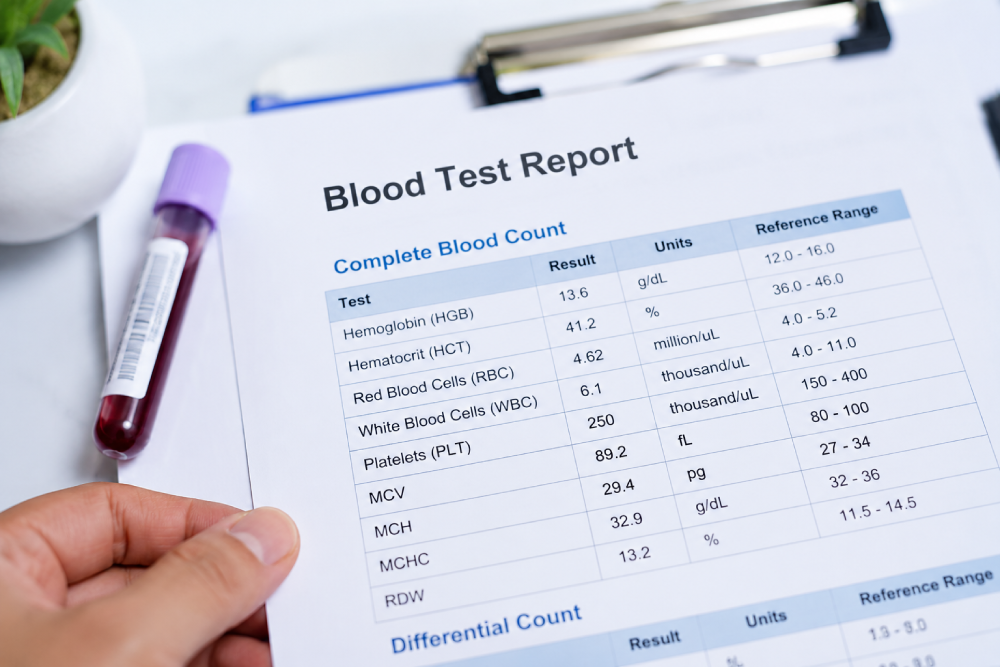
A Complete Blood Count checks different types of blood cells, including red blood cells, white blood cells, and platelets. It can provide information about oxygen-carrying capacity, immune activity, and blood clotting.
2. Blood Glucose Test
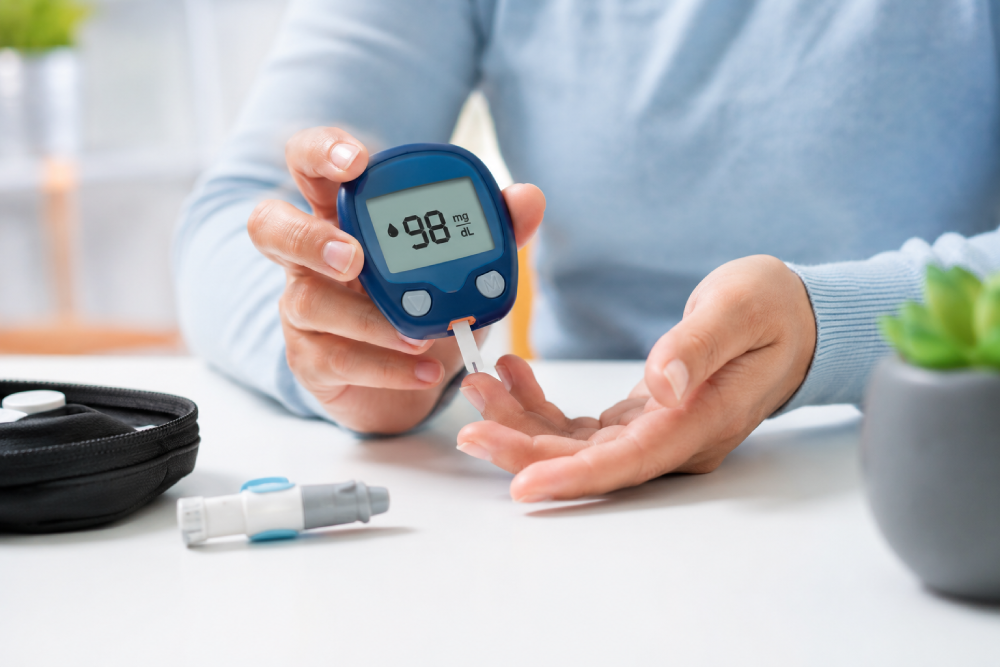
A blood glucose test measures the amount of sugar in your blood. It may be used during routine health checks or to help monitor and evaluate conditions such as diabetes and prediabetes. Your healthcare provider may recommend fasting before certain glucose tests.
3. Lipid Profile
A lipid profile measures different types of fats in your blood, including total cholesterol, LDL cholesterol, HDL cholesterol, and triglycerides. These results can help healthcare professionals assess cardiovascular health and discuss lifestyle or treatment options when appropriate.
4. Liver Function Tests
Liver function tests measure substances such as enzymes, proteins, and bilirubin that can provide information about liver health. They may be ordered as part of routine testing or when there are symptoms or other reasons to evaluate liver function.
5. Kidney Function Tests
Kidney-related blood tests can measure markers such as creatinine and blood urea nitrogen (BUN). These results can help healthcare professionals evaluate how well the kidneys are functioning.
Why Regular Testing Matters
Blood tests are only one part of understanding your health. Results can be influenced by factors such as age, medications, diet, hydration, exercise, and recent illness. Your healthcare provider will interpret your results alongside your symptoms, medical history, and other relevant information.
If you have been advised to get blood work done, following the laboratory’s preparation instructions can help ensure accurate testing.
QwiCare makes healthcare more convenient by bringing quality pathology and home healthcare services to your schedule. Speak with a healthcare professional to understand which tests are appropriate for you.
Disclaimer: This article is for general educational purposes only and is not a substitute for professional medical advice, diagnosis, or treatment.